
Land Stewardship and Food Wisdom Across Migration.
“The Pan Valley Institute (PVI) has launched a year-long multimedia campaign to honor the rich history and vital contributions of immigrants, refugees, Indigenous peoples, and people of color to regional agriculture, sustainable local economies, and the vibrant food culture in California’s Central Valley. Through this work, we will show how diverse communities have shaped the region’s food culture, not only through farm labor but also through Indigenous land stewardship, the introduction of new crops and practices, and the preservation and evolution of culinary traditions. We are not going backwards. We are remembering. We are reclaiming who we are.”
Upcoming Events
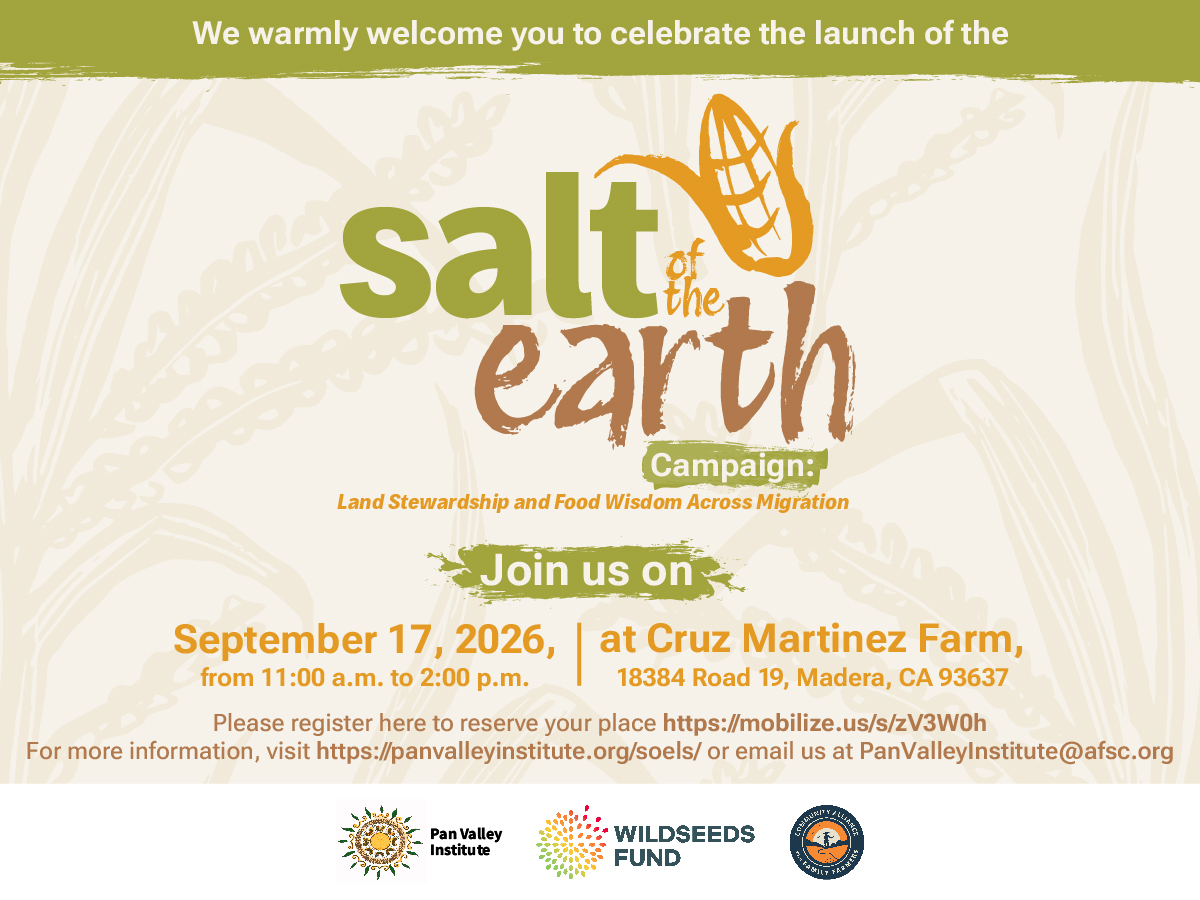
Salt of the Earth Campaign
We warmly welcome you to celebrate the launch of the Campaign.
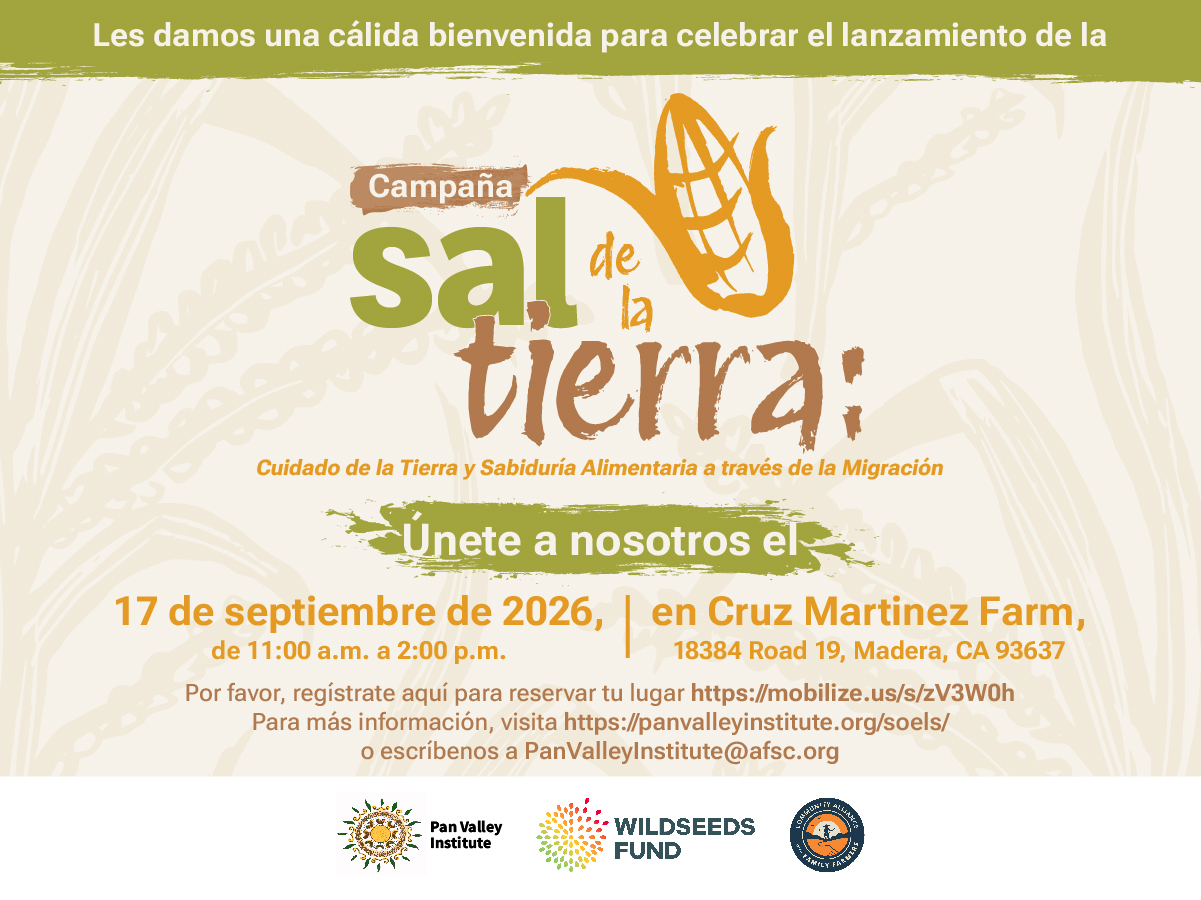
Campaña Sal de la Tierra
Les damos una cálida bienvenida para celebrar el lanzamiento de la Campaña.
Did you know?
Immigrants and refugees make up the backbone of Central Valley agriculture.
For generations, these communities have not only provided the labor that keeps America’s food supply moving but have also shared valuable agricultural knowledge, sustainable farming practices, and cultural food traditions that enrich our region.
Indigenous wisdom provides paths to climate justice.
Long before industrial agriculture, Indigenous peoples practiced land stewardship that maintained ecological balance. Their understanding of water conservation, crop rotation, and biodiversity offers crucial solutions to the environmental challenges facing the Central Valley today.
Communities of color have shaped the food culture of the Central Valley.
From Armenian orchardists to Japanese farmers, from Mexican culinary traditions to Southeast Asian agricultural innovations, these communities have transformed the region’s agricultural landscape and contributed to the diverse, lively food culture we enjoy today.
Large-scale agribusiness exploits workers and damages the environment.
The industrial agriculture system focuses on profit rather than people and the planet, resulting in low wages for farmworkers, water shortages, soil erosion, and pesticide pollution. Alternative models that emphasize worker dignity and ecological sustainability not only are possible—they already exist within our communities.
Food justice is deeply connected to social and economic fairness.
Those who grow and harvest our food should have access to nutritious food, fair wages for their work, and safe working and living environments. Building a fair food system requires addressing immigration policies, labor rights, environmental issues, and economic inequality all at once.
Why is this campaign important and why it matters now?

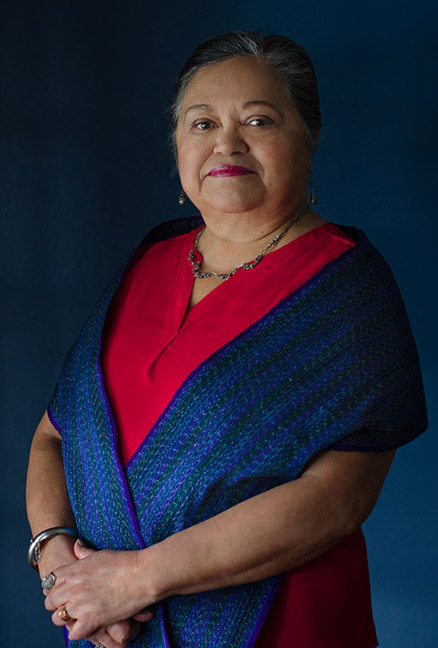
“As the Central Valley faces growing environmental and economic challenges, the Salt of the Earth Campaign reminds us that the solutions are rooted in the knowledge, cultures, and lived experiences of the people who have stewarded this land for generations. By bringing people together to learn, share stories, and take collective action, the campaign inspires communities to build a more just, resilient, and sustainable future.”
Estela Galvan
PVI Coordinator
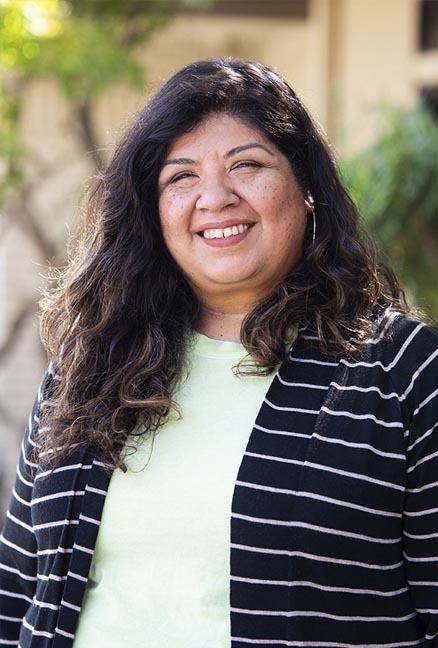
“The Salt of the Earth Campaign” brings to light and gives voice to the story of those who grow, harvest, and produce food for our local communities and deserve to be recognized, honored and celebrated in all ways possible. While it is common for agricultural workers and their communities in rural areas to be left out of the conversation or “left behind”, this Campaign seeks to celebrate and give recognition to the knowledge and strength of these individuals as well as contribute to changing the narrative which often makes them invisible. Storytelling has many forms of expression and can bring people together, keep the past alive through memories, and promote collective action to create a better future for everyone.”
Joshua Slack
PVI Cultural Organizer

Follow us on social media @panvalleyinstitute